For a long moment, the elderly waitress couldn’t speak.
Her weathered hand hovered over the fork, the keys, the folded document, as if she were afraid touching them would make the moment disappear. She looked up at the woman again, more carefully this time — really looked at her.
The polished hair.
The tailored suit.
The controlled posture.
The tears she was trying so hard not to let fall.
And then she saw it.
Not the woman she had become.
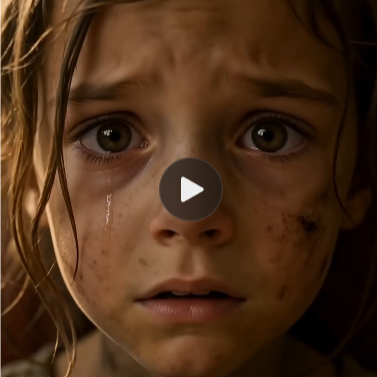
The little girl she had once fed.
The same eyes.
The older waitress covered her mouth.
“Oh my God…”
The businesswoman gave a tiny nod, already crying.
“It was me.”
The old woman’s breath caught. She reached for the counter to steady herself, because it felt like the floor had moved under her.
“The little girl…” she whispered. “From the booth…”
The woman smiled through tears.
“Booth seven.”
That broke the waitress completely.
Tears spilled down her face as she picked up the tiny fork with both shaking hands. The old napkin was worn and fragile, folded and unfolded so many times it looked like it had been loved.
“You kept this?” she asked.
The businesswoman nodded.
“I kept it through shelters. Through foster homes. Through my first apartment. Through college. Through every move.” Her voice shook. “It was the first thing I owned that reminded me kindness was real.”
The waitress shook her head in disbelief.
“I only gave you a plate of food.”
“No,” the woman said, stepping closer. “You gave me more than that. You gave me dignity when I had none left. You stood between me and humiliation when everyone else looked away. You fed me when I thought the whole world had already decided I wasn’t worth feeding.”
The elderly waitress’s lips trembled.
“What happened to you after that?”
The woman let out a slow breath, like opening a locked room inside herself.
“I survived,” she said. “Not easily. Not quickly. But I survived.” Her eyes dropped to the counter for a moment. “And every time I wanted to give up, I remembered a waitress in a white uniform who lost part of her pay just to make sure a little girl didn’t go hungry.”
The old woman began crying harder, quiet and shaking, no longer trying to stop it.
The businesswoman gently pushed the keys closer to her.
“I spent a year trying to find you,” she said. “I found this diner first. Then I found out it was drowning in debt. Then I found out you were still working here because you couldn’t afford to leave.”
The older waitress looked from the keys to the document.
“What is this?”
The woman took a breath.
“The keys are yours,” she said softly. “And so is the diner.”
The waitress blinked.
“What?”
“I bought the property last month,” the woman continued. “The building. The land. The debts.” Her voice cracked into a smile through tears. “The papers transfer everything into your name.”
The older waitress just stared at her.
“No…”
“Yes.”
The woman slid the folded document a little closer, but kept one hand on it.
“And there’s more in there. A retirement fund. Paid in full. Enough that you never have to work another shift unless you want to. Enough to rest. Enough to live.”
The old waitress let out a sound somewhere between a laugh and a sob.
“Why would you do all this for me?”
The businesswoman’s answer came instantly.
“Because when I had nothing, you acted like my life still mattered.”
Silence settled between them, heavy and beautiful.
Then the older waitress looked back down at the little fork in her hands and whispered, “I remember how you held this. Like you were afraid someone would take the plate away.”
The woman’s face crumpled.
“I was.”
The old waitress reached across the counter and took her hand.
“Well,” she said through tears, “nobody’s taking anything from you now.”
The businesswoman came around the counter then, unable to hold back any longer, and wrapped her arms around the woman who had once saved her with one quiet act of mercy. The elderly waitress held her just as tightly, as if trying to hold both the child she had fed and the woman she had become at the same time.
When they finally pulled apart, the old waitress wiped her eyes and smiled through tears.
“What’s your name, sweetheart?”
The businesswoman laughed softly.
“Emma.”
The waitress repeated it like a blessing.
“Emma.”
Emma picked up the old fork and gently closed the waitress’s fingers around it.
“You fed me once,” she whispered.
The older woman looked down at it, then back up into Emma’s face.
“And you came back.”
Emma nodded, eyes shining.
“I told you I wouldn’t forget.”
The old waitress looked at the keys one last time, then at the document, then at the woman standing in front of her — not hungry anymore, not small anymore, not powerless anymore.
And with tears still running down her face, she whispered the only truth that mattered:
“You didn’t.”